

 |
 |
 |
 |
|||||||||||||||||||||||||||||||||||||||||||||||||||||||||||||||||||||||||||||||||||||||||||||||
 |
||||||||||||||||||||||||||||||||||||||||||||||||||||||||||||||||||||||||||||||||||||||||||||||||||
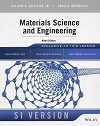 |
Materials Science and Engineering SI 9/e+作者:
Callister+年份:
2015 年9 版
+ISBN:
9781118319222
+書號:
ME0409PC
+規格:
平裝/彩色
+頁數:
936
+出版商:
John Wiley
+參考資訊:


|
定價
$ |


|
本站購物功能已關閉,點選"購物車"圖示會自動連結到新的購書網頁!或與LINE客服諮詢聯繫
讀者購書請至★滄海書局‧鼎隆圖書購書網 ★https://eshop.tsanghai.com.tw/★
滄海ESHOP購書網提供更方便、快速訂購、結帳付款的購書服務,並提供數位產品購買專區~
書籍若有教學輔助配件,僅提供採用老師教學使用,是非賣品,不販售,亦無法提供一般讀者。

●A new organization of the chapters continues the use of the traditional approach that Materials Science and Engineering has always used, with some coverage of the unified approach to the subject.
●This new edition has an increased emphasis on active learning and includes more coverage of nano-, bio-, smart, and other modern materials. It incorporates new, up-to-date, solved examples and practice problems that reflect current technologies, current materials, and real word scenarios. In addition, the Virtual Materials Science and Engineering Lab (VMSE) has been updated.
●New tutorial videos have been added on “muddiest points” in the most widely used chapters (1-11). These videos give students peer-to-peer explanations of the most commonly misunderstood topics.
●An expanded discussion of the construction of crystallographic directions in hexagonal unit cells—also of conversion from the three-index scheme to four-index.
●New chapter-opener photos of applications of materials science help to motivate student interest in studying materials science.

●Current and up-to-date: The text presents the latest developments in Material Science and Engineering. Such modern coverage includes advanced ceramic and polymeric materials, composites, high-energy hard magnetic materials, and optical fibers.
●Resources to facilitate the materials selection process: Appendix B contains 10 properties for a set of approximately 100 materials and can be used in materials selection problems. An additional resource, Appendix C, contains the costs for all materials listed in Appendix B.
●Mechanical property coverage: The ninth edition maintains its extensive introductory level coverage of mechanical properties and failure--the most important materials consideration for many engineers.
●Key terms and brief explanations of key equations appear in margins for quick identification of the most important topics in the chapter.
●VMSE is a unique tool for visualizing molecules and manipulating them in 3D. New “muddiest point” videos explain from a student’s perspective tough concepts that have been identified through research as the most challenging topics to understand.

William D. Callister - Department of Metallurgical Engineering, the University of Utah.
David G. Rethwisch - Department of Chemical and Biochemical Engineering, the University of Iowa.

1 Introduction
2 Atomic Structure and Interatomic Bonding
3 Fundamentals of Crystallography
4 The Structure of Crystalline Solids
5 Structures of Polymers
6 Imperfections in Solids
7 Diffusion
8 Mechanical Properties of Metals
9 Dislocations and Strengthening Mechanisms
10 Failure
11 Phase Diagrams
12 Phase Transformations
13 Properties and Applications of Metals
14 Properties and Applications of Ceramics
15 Characteristics and Applications of Polymers
16 Composites Materials
17 Fabrication and Processing of Engineering Materials
18 Corrosion and Degradation of Materials
19 Electrical Properties
20 Thermal Properties
21 Magnetic Properties
22 Optical Properties
23 Economic, Environmental, and Societal Issues in Materials Science and Engineering